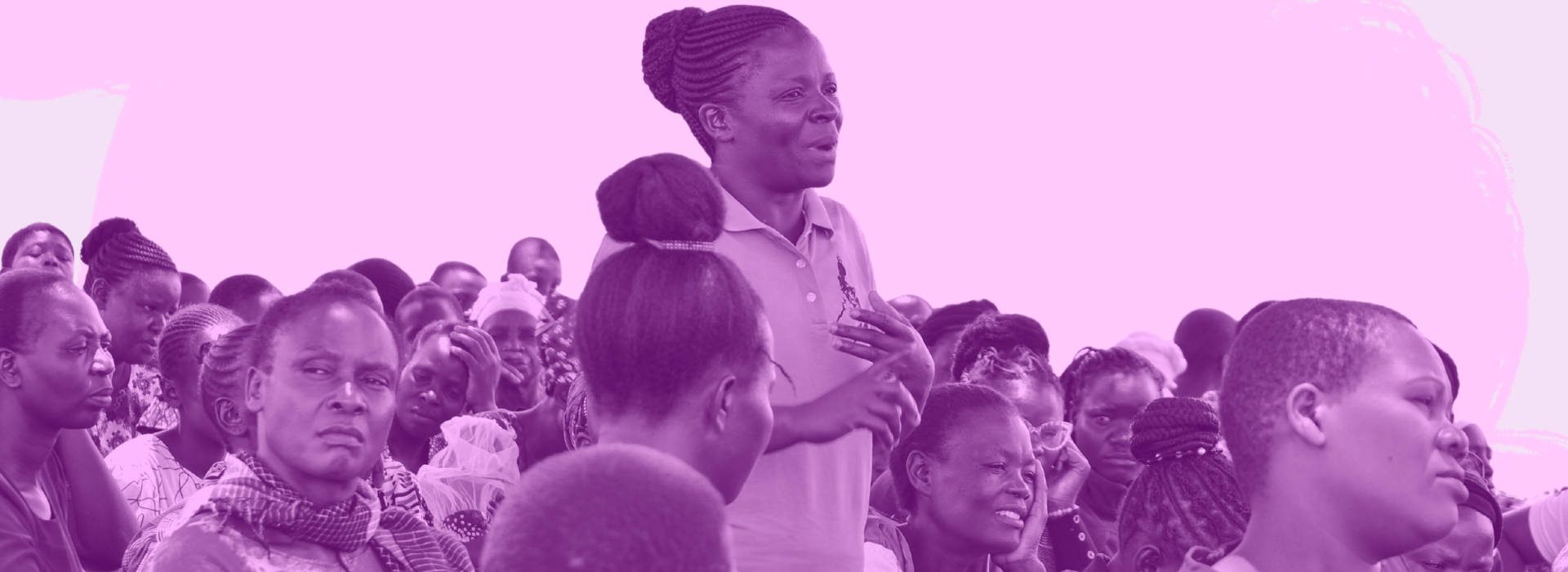
Birth Justice Initiative: A new language and funding model for Maternal and Newborn Health
As put by some of the Birth Justice Initiative’s MAGs, MMAP advisors, and country partners above, birth is about so much more than the clinical moment itself. It starts way before, from the socioeconomic factors that affect whether an individual can choose or choose not to give birth, their access to the services, and the respect and dignity they receive. It also doesn’t finish with the delivery of the placenta: the postpartum period can be a deeply vulnerable time, even under the best circumstances, and even more so when other issues overlap, such as finances, health conditions, or domestic violence.
Global progress on maternal and newborn survival has slowed, while women, other birthing people and newborns in marginalised communities continue to face preventable harm. Technical health investments alone cannot close this gap where people experience disrespect, stigma, exclusion, weak grievance systems and limited power over policy decisions.
Birth justice provides a shared language to reflect this all-encompassing theme, and our need to address maternal and newborn health as an all-consuming issue that intersects with every other area of life.
Read more on how we define “Birth Justice,” and the themes that it encompasses in our Narrative Report here.
Taking this approach is critical to improving maternal and newborn health outcomes, and this means addressing birth as the multi-issue, long-term experience that it truly is. As such, donors should respond accordingly, by providing long-term, flexible funding to the grassroots leaders who are embedded in their communities, and have lived experience of the issues they are working on.
Read more on our practical recommendations for donors, policymakers and development partners looking to make their investments more effective, equitable and locally led in our Donor Policy Report here.
Finally, we want as many eyes to see these resources and to listen to the voices who shaped the Birth Justice Initiative as possible. As such, we would greatly appreciate any al all efforts to promote them. For downloadable graphics and template posts for you to use and adapt as desired, please consult our social media toolkit below.
Birth Justice Initiative Social Media Toolkit